Altitude
Typically found between 9,800 and 17,000 feet above sea level.

An interactive guide to one of the world’s most elusive big cats.
Snow leopards are solitary big cats native to the rugged, high-altitude mountain ranges of Central and South Asia. Known as the "ghosts of the mountains," they are perfectly adapted to survive in some of the harshest environments on Earth.
Their thick, grey-and-white coats patterned with dark rosettes blend seamlessly into rocky slopes.
Large nasal cavities warm freezing air, and wide paws act as natural snowshoes.
Habitat Elevation
Cold Tolerance
Left in the Wild

Panthera uncia
Perfected by evolution for life on the vertical cliffs.
Snow leopards inhabit the high-altitude mountains of Central and South Asia, from the Altai in the north to the Himalayas in the south. Click any marker or country to explore.
Click a marker or country border to see population data and habitat regions.
Total Global Range
Snow leopards live in some of the most extreme environments on Earth, thriving at high altitudes across Central and South Asia.
Typically found between 9,800 and 17,000 feet above sea level.
Rocky mountains, cliffs, and steep slopes ideal for ambush hunting.
Cold, dry regions with long winters and minimal vegetation.
Spans 12 countries including Nepal, China, Mongolia, and India.
Documenting the elusive presence of snow leopards in their native high-alpine territories.

📍 Himalayas, Nepal

📍 Altai Mountains, Mongolia
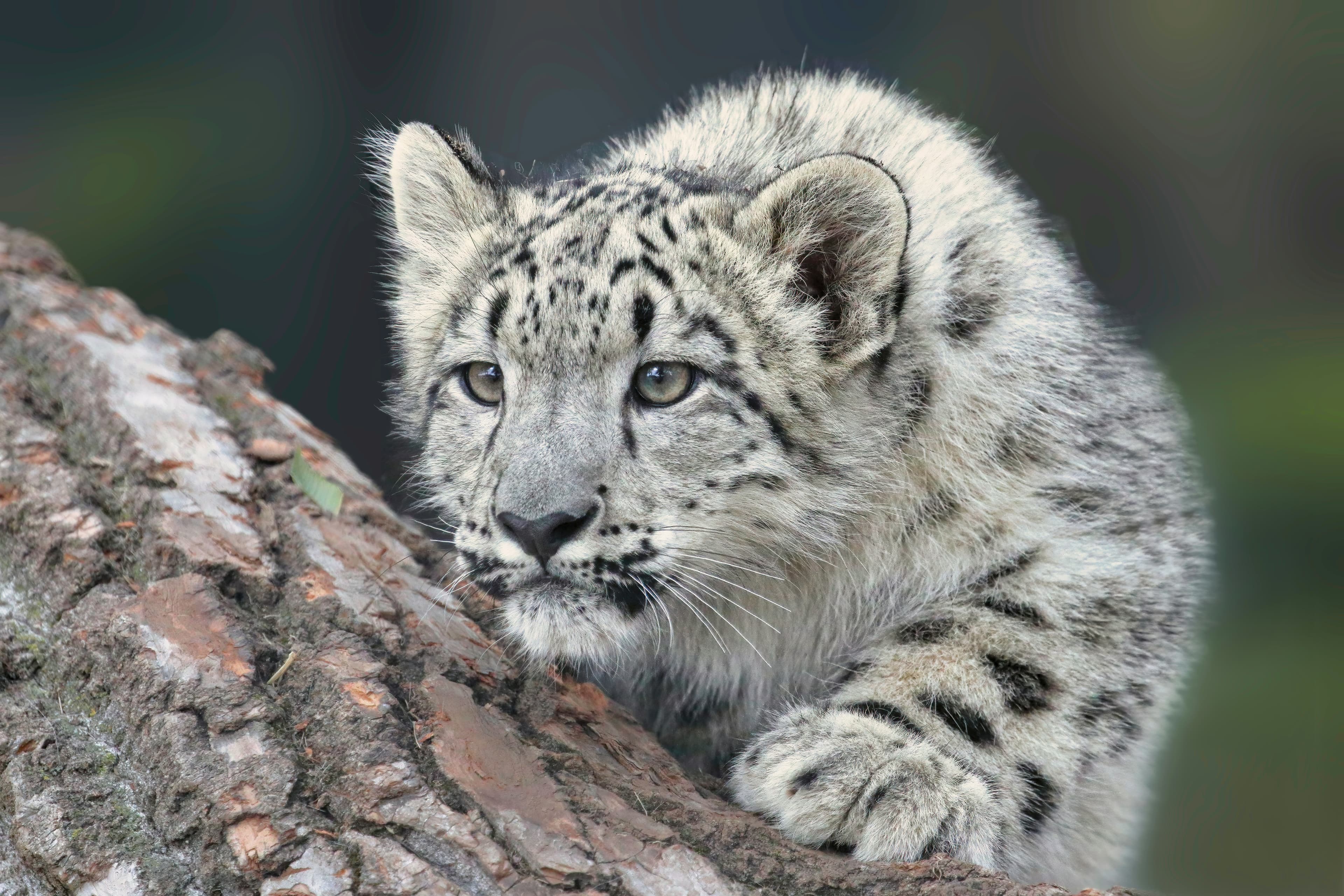
📍 Ladakh, India
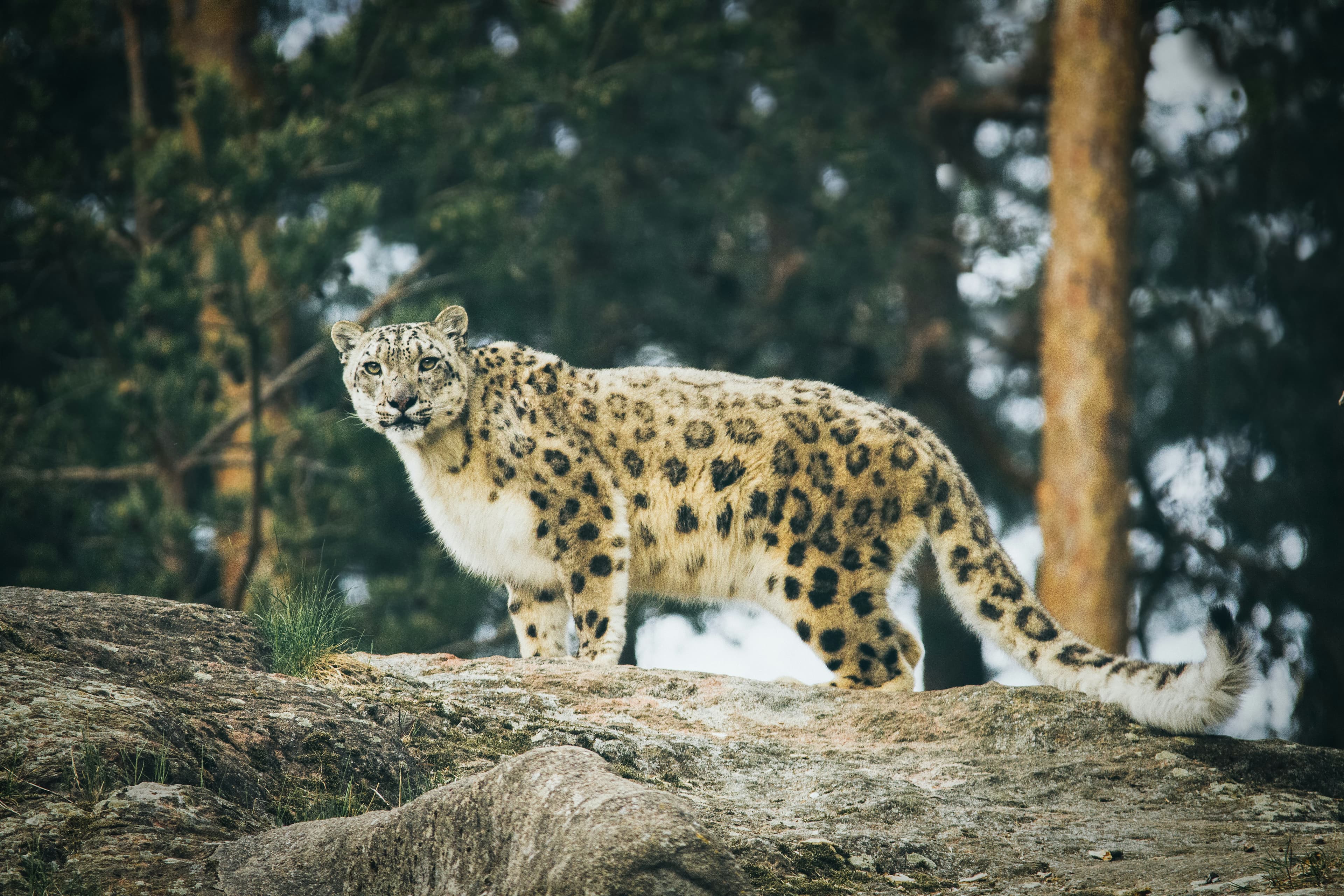
📍 Tian Shan, Kyrgyzstan

📍 Pamir Mountains, Tajikistan

📍 Spiti Valley, India
Four decades of data tell a story we cannot ignore.
The ghost of the mountains faces perils that could make it a myth forever.
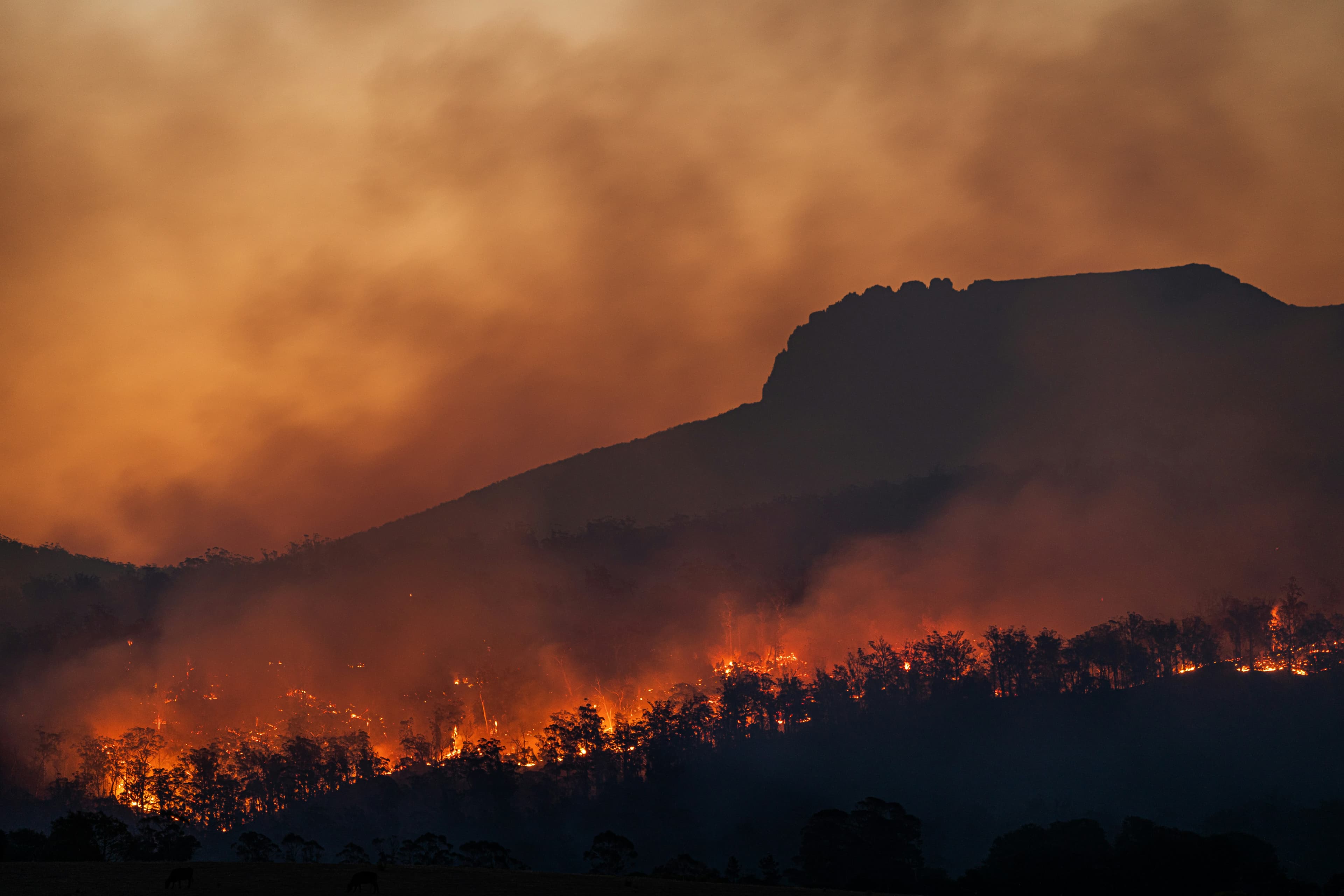
Expansion of farms and roads fragments their home.

Warming temperatures shrink their alpine habitat.

Decline in wild prey forces them to target livestock.
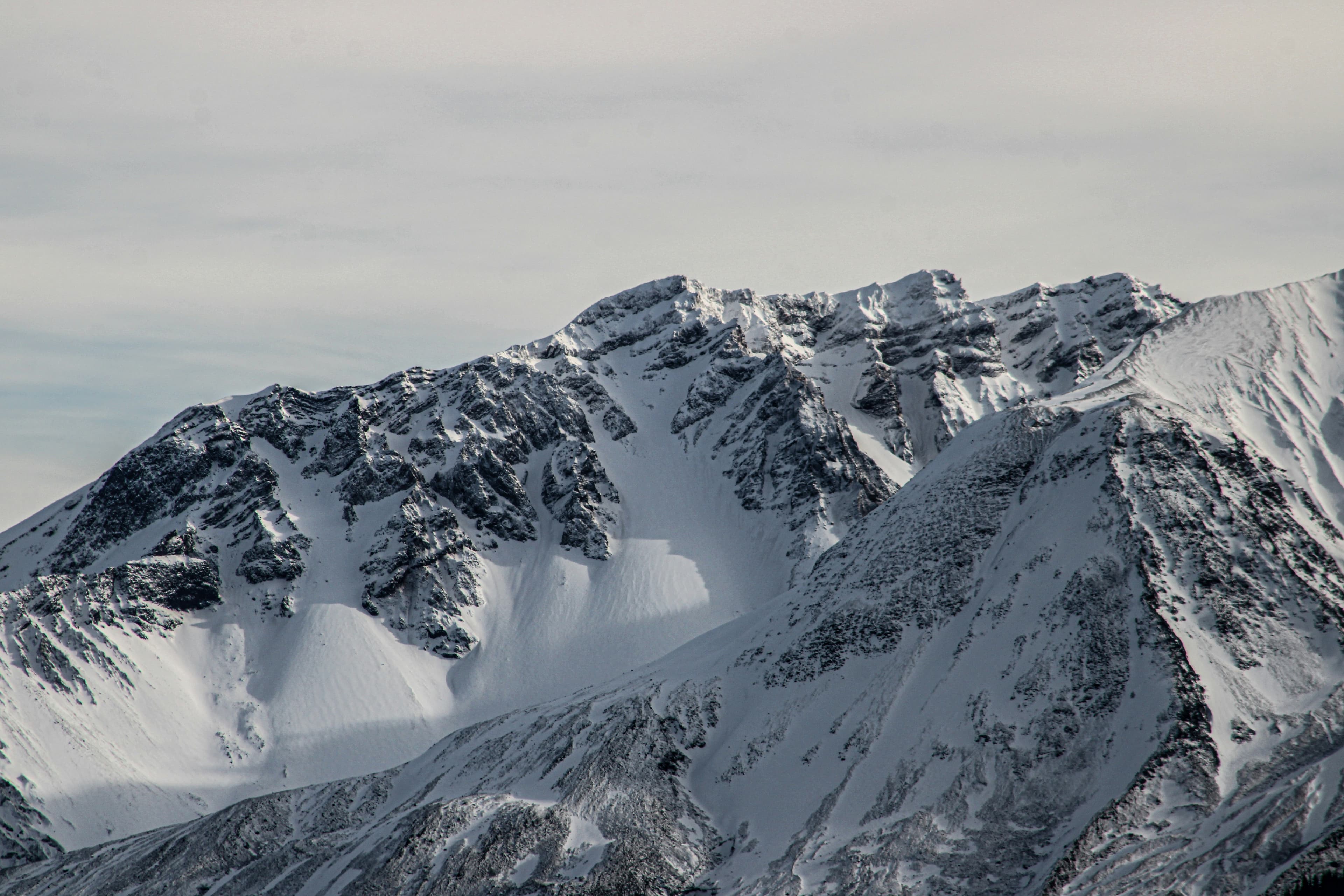
Snow leopards can leap over 50 feet in a single jump — that's 6 times their body length!
They are known as the 'ghosts of the mountains' because they are rarely seen.
Their long, thick tails help them balance on rocky cliffs and wrap around their bodies for warmth.
Snow leopards cannot roar like other big cats; they chuff, hiss, and meow.
They engage in 'crepuscular' activity, meaning they are most active at dawn and dusk.
Their large paws act like natural snowshoes, distributing weight to prevent sinking into snow.
High score: 0/5
Hope exists. Here is how we are turning the tide for the ghost of the mountains.
We work with local herders to insure their livestock, reducing retaliatory killings when snow leopards attack.
Equipping anti-poaching patrols with GPS tech and winter gear to protect the high-altitude range.
GPS collaring and camera traps help us understand migration patterns and health of the population.
Your action today secures a future for the snow leopard tomorrow.